

How Mediation Works: A Step-by-Step Guide
How Mediation Works, Step by Step Mediation follows a clear path. Knowing it helps you feel prepared. Step one is agreeing to mediate. Both sides choose a mediator and set a date. A contract may already require this. Step two is the opening session. The mediator...

Tariffs, Trade Tensions and Your Contract: Why Your Dispute Resolution Clause Matters More Than Ever
Most people only read the dispute resolution clause of a contract after something has gone wrong. By then it is too late to improve it. Market research on the dispute services sector notes that geopolitical and trade-related tensions have shifted dispute caseloads and...
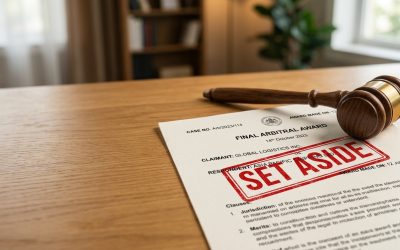
When Can an Arbitral Award Be Set Aside? Article 34 Explained
When Can an Arbitral Award Be Set Aside? The Real Test Is Not Whether the Tribunal Got It Wrong Arbitration promises finality. Parties choose it to get a binding decision without a long court process. Yet a court can set aside an arbitral award in limited cases. This...

Arbitration vs. Mediation: Key Differences Explained
Arbitration vs. Mediation: What Is the Difference? You have a dispute and want to avoid court. Two common options are mediation and arbitration. They work in different ways. In mediation, a neutral person helps you and the other party talk. The mediator does not...

Contract Drafting: Prevent Disputes Before They Start
A well drafted contract often decides whether a commercial relationship succeeds or ends in a costly dispute. Lawyers resolve conflicts, but their most valuable work happens earlier, at the contract drafting stage. This is where dispute prevention begins. Why Contract...

Med-Arb and Hybrid Dispute Resolution: Why Mediation and Arbitration Are Merging
Mediation and arbitration have traditionally been treated as separate processes. Mediation is voluntary and flexible, and the parties control the result. Arbitration is more formal, and a neutral decides. Increasingly, though, parties are combining the two. At a...

How to Resolve a Dispute Without Leaving Your Desk
Online Dispute Resolution (ODR): How to Resolve a Dispute Without Leaving Your Desk Introduction Online dispute resolution (ODR) means using digital tools, such as video calls, secure messaging and case-management platforms, to resolve disputes. Market research...

AI in Dispute Resolution
AI in Dispute Resolution: Promise, Risks and Why Human Oversight Still Matters Artificial intelligence is moving into every part of legal work, and dispute resolution is no exception. From sorting thousands of documents to helping predict how a case might turn out, AI...

Why Appropriate Dispute Resolution Is Becoming the Default
ADR Is No Longer the “Alternative”: Why Appropriate Dispute Resolution Is Becoming the Default For decades, the word “alternative” in alternative dispute resolution (ADR) told you what people thought of it: a side option for when the real process, going to court, was...

Our Courts Are Full – Why ADR Is the Way Forward
Our Courts Are Full. ADR Is the Way Forward. Our courts are full. Our people are tired. ADR is the way forward. Every day, case files sit in court for years — sometimes a decade or more. Witnesses forget. Businesses collapse. Families break. And justice? It gets...